Blogs
Hormonal Acne Can Happen at Any Age. Here’s How to Deal

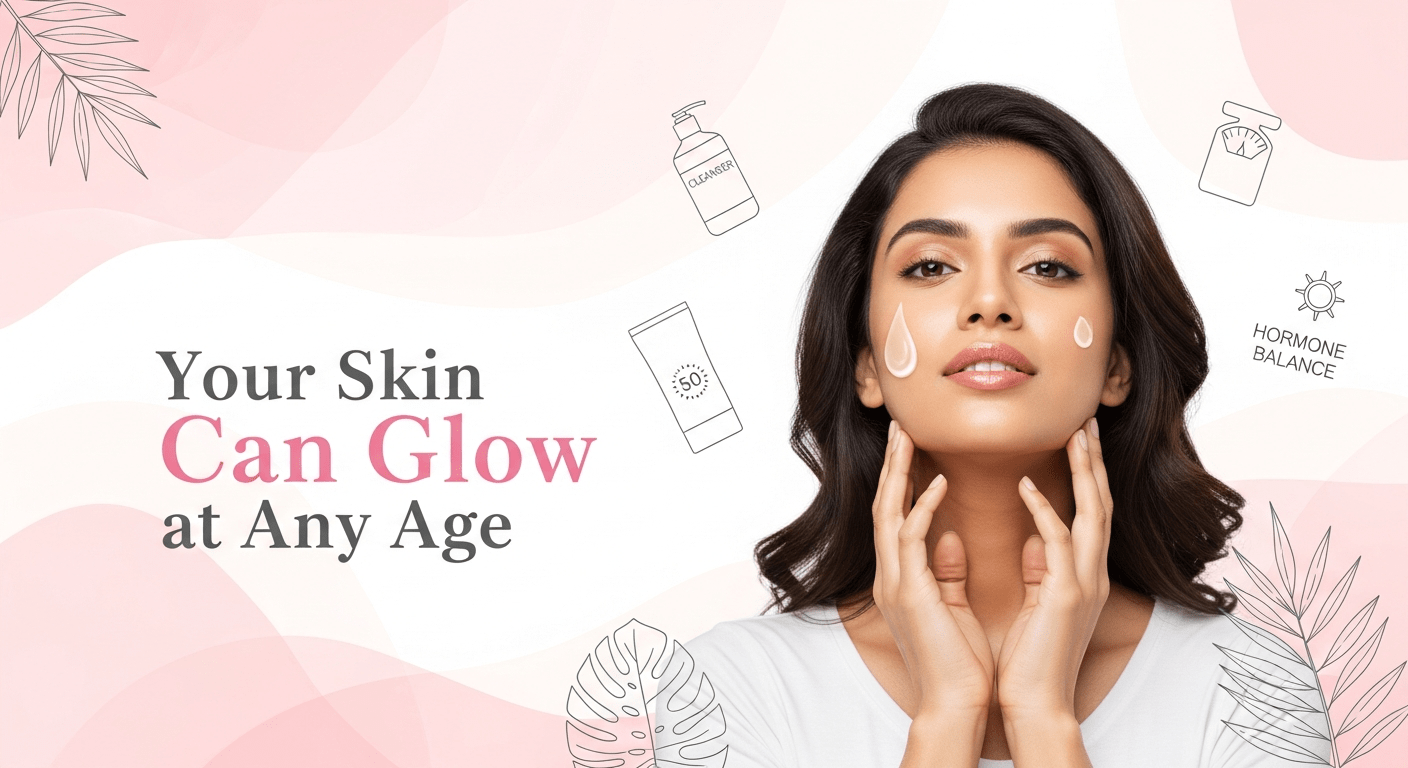
Here’s a fact that might surprise you: nearly 50% of women in their twenties and 25% of women in their forties experience hormonal acne, according to the American Academy of Dermatology. In Bangladesh, where humidity levels often exceed 80% and urban pollution is a daily reality, hormonal acne becomes even more challenging to manage. The good news? Understanding hormonal acne and adopting the right skincare approach can make all the difference, regardless of your age.
What Exactly Is Hormonal Acne?
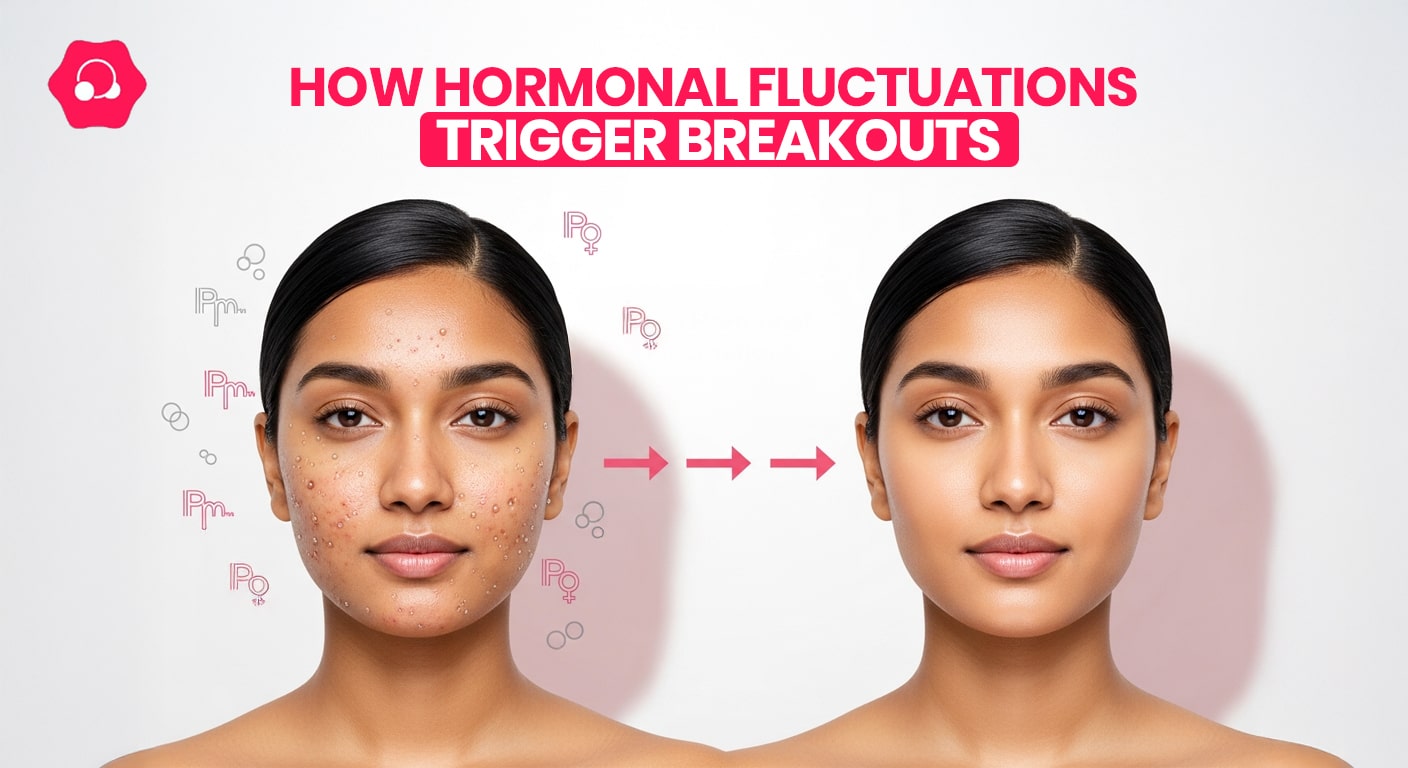
Hormonal acne isn’t just a teenage problem. It’s triggered by fluctuations in hormones like androgens, estrogen, and progesterone, which stimulate oil production in your skin. When excess sebum mixes with dead skin cells and bacteria, breakouts occur, typically along the jawline, chin, and lower cheeks.
In Bangladesh’s hot and humid climate, these hormonal triggers are amplified. The constant moisture in the air keeps pores clogged longer, while sweat and pollution particles worsen inflammation. For young professionals juggling stress, irregular sleep, and dietary habits influenced by our rich, oil-heavy cuisine, hormonal acne can persist well into your thirties and forties.
Why Hormonal Acne Strikes at Any Age
Unlike the acne you might have experienced as a teenager, adult hormonal acne has different causes:
Menstrual Cycles: Women often notice breakouts 7–10 days before their period, when progesterone levels peak and trigger oil production.
Stress: Dhaka’s traffic jams, work pressure, and fast-paced lifestyle elevate cortisol levels, which directly impact your skin’s oil glands.
Polycystic Ovary Syndrome (PCOS): This condition affects approximately 10% of women globally and is increasingly diagnosed in Bangladesh. PCOS-related hormonal imbalances are a leading cause of persistent adult acne.
Dietary Factors: Our love for fried snacks, sweet tea, and refined carbohydrates can spike insulin levels, indirectly increasing androgen production and worsening acne.
A 2020 study published in Frontiers in Public Health found that adult acne is on the rise, particularly in urban areas with high pollution and stress levels — conditions that resonate deeply with Bangladeshi cities.
How to Deal with Hormonal Acne: A Practical Approach
Treating hormonal acne requires a combination of consistent skincare, lifestyle adjustments, and sometimes medical intervention. Here’s what actually works:
1. Cleanse Smartly with Salicylic Acid
Start with a cleanser that does more than just remove dirt. The COSRX Salicylic Acid Daily Gentle Cleanser is formulated specifically for acne-prone skin, penetrating deep into pores to dissolve oil and prevent clogging ideal for Bangladesh’s humidity. This pH-balanced formula won’t strip your skin’s natural barrier, which is crucial for preventing the rebound oil production that worsens hormonal acne.
For those dealing with makeup and heavy pollution residue, double cleansing is essential. Begin with the mixsoon Bean Cleansing Oil, which uses fermented soybean extract to gently break down even waterproof makeup and sebum without irritation perfect as your first cleanse before using a water-based cleanser.
2. Target Inflammation with Niacinamide
Niacinamide is a powerhouse ingredient for hormonal acne because it controls sebum production and reduces inflammation. The Anua Niacinamide 10% + TXA 4% Serum combines niacinamide with tranexamic acid to not only manage active breakouts but also fade the post-inflammatory hyperpigmentation that often lingers after hormonal acne heals. This dual-action approach is particularly effective for the acne marks that can be more stubborn on South Asian skin tones.
Alternatively, The Derma Co 10% Niacinamide Face Serum offers a budget-friendly option with zinc, which helps regulate oil production while visibly improving large pores a common concern for those battling hormonal acne in humid climates.
3. Use Retinoids for Long-Term Results
Retinoids are considered the gold standard in acne treatment because they promote cell turnover and prevent pore blockage. For prescription-strength results, Differin Gel (Adapalene 0.1%) is FDA-approved and now available without a prescription. It’s particularly effective for hormonal acne because it normalizes skin cell turnover, preventing the formation of comedones before they become inflamed breakouts.
For those ready for a more advanced treatment, Tretinoin Cream USP 0.025% is a dermatologist-recommended retinoid that not only treats acne but also stimulates collagen production, making it ideal if you’re dealing with both hormonal acne and early signs of aging.
Important: Always start retinoids slowly (2-3 times per week) and use sunscreen daily, as they increase sun sensitivity especially crucial in Bangladesh’s tropical climate.
4. Spot Treat Active Breakouts
When you feel a hormonal breakout forming, immediate action can minimize its severity. COSRX Acne Pimple Master Patch provides a protective barrier that absorbs pus and oil while preventing you from picking at the blemish. These hydrocolloid patches are discreet enough to wear overnight or even during the day under makeup.
For more aggressive treatment, PanOxyl Acne Foaming Wash with 10% Benzoyl Peroxide can be used as a targeted body wash for chest and back acne, or as a short-contact facial treatment. Apply it to affected areas for 1-2 minutes before rinsing this kills 99% of acne-causing bacteria without the excessive dryness that comes from leaving it on longer.
5. Hydrate Without Clogging Pores
This is crucial and often overlooked. Many people with oily, acne-prone skin skip moisturizer, thinking it’ll make breakouts worse, and in reality, skipping hydration signals your skin to produce more oil. Choose lightweight, non-comedogenic options like the mixsoon Bean Cream, which uses fermented soybean extract to balance moisture and oil without greasiness perfect for Bangladesh’s climate.
6. Protect with Sunscreen Daily
Many acne treatments increase sun sensitivity, making sunscreen non-negotiable. The SKIN1004 Madagascar Centella Hyalu Cica Water Fit Sun Serum SPF50+ PA++++ offers high protection in a lightweight, serum-like texture that won’t clog pores or feel heavy in humid weather. Centella asiatica also provides soothing benefits for inflamed, acne-prone skin.
7. Address Post-Acne Marks
Hormonal acne often leaves behind dark spots that can take months to fade. The AXIS-Y Dark Spot Correcting Glow Serum combines niacinamide, plant extracts, and willow bark to brighten hyperpigmentation while preventing new breakouts a multitasking solution for those dealing with both active acne and its aftermath.
Lifestyle Adjustments That Matter
Mind Your Diet
Reduce high-glycemic foods like white rice, sugary drinks, and fried items. Instead, incorporate more whole grains, lean proteins, and vegetables. Studies suggest that dairy products may also exacerbate hormonal acne in some individuals, so consider moderating your intake.
Manage Stress
Easier said than done in Dhaka, but even small changes help. Regular exercise, adequate sleep (7–8 hours), and mindfulness practices can lower cortisol levels and improve your skin significantly.
If over-the-counter products aren’t helping after 8–12 weeks, see a dermatologist. Prescription options like oral contraceptives, spironolactone, or topical treatments may be necessary to regulate hormones and clear persistent acne.
Hormonal acne can be frustrating, especially when it appears unexpectedly in your twenties, thirties, or beyond. But with the right knowledge, consistent skincare routine, and lifestyle adjustments tailored to Bangladesh’s unique climate challenges, you can achieve clearer, healthier skin at any age.
Remember, skincare is personal. What works for someone else might not work for you and that’s okay. The key is patience, consistency, and choosing products formulated with proven ingredients that address your specific needs.